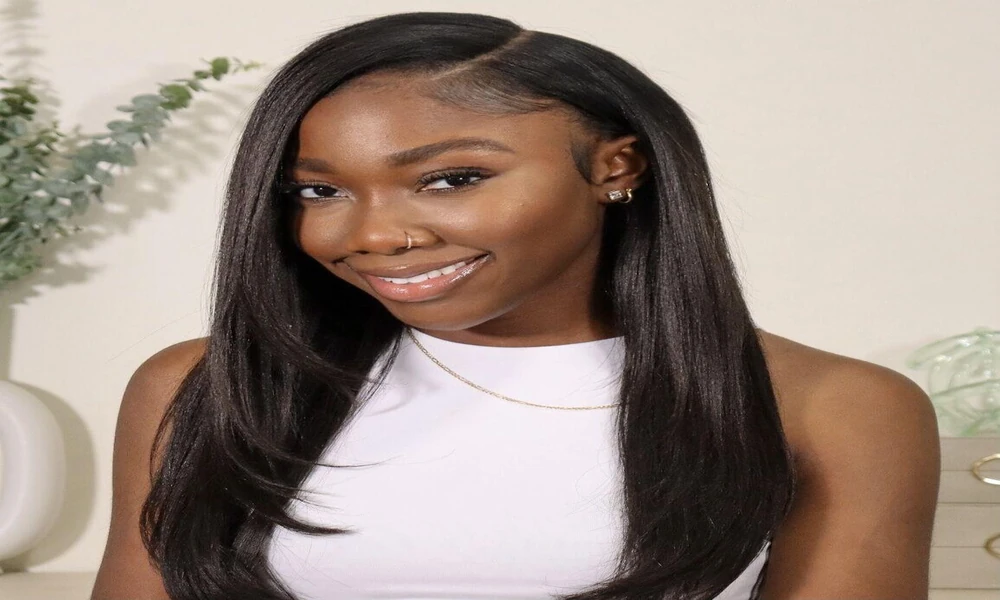

Finding straight hair extensions is easy. Finding ones that genuinely blend with relaxed Black hair? That can be a completely different story. Some extensions look too silky, others lack the natural fullness of textured hair, and a few seem beautiful until the first wash leaves them dry or tangled. Whether your hair is chemically relaxed, texlaxed, or regularly silk-pressed, the goal is usually the same: extensions that look like your own hair, only with a little extra length or volume. The secret isn’t necessarily buying the most expensive bundles or choosing the sleekest texture available. It’s understanding how different hair textures behave, what separates quality extensions from disappointing ones, and which installation methods suit your lifestyle. This guide explains how to choose natural-looking extensions that complement your hair while keeping styling, comfort, and maintenance in mind.
What Makes Relaxed Straight Hair Extensions Different?
Black women’s hair comes in a beautiful variety of textures, and even chemically straightened hair often retains some natural body and character. That’s why choosing extensions based on straightness alone doesn’t always produce a convincing match.Relaxed Straight Hair Extensions are designed to recreate the smooth appearance of professionally relaxed or straightened textured hair, with a soft sheen, realistic fullness, and natural movement.
Unlike extremely silky extensions, which can appear unusually glossy or flat against textured leave-out, relaxed straight styles generally have a little more substance. This makes them appealing to women who want sleek hairstyles without losing the familiar appearance of their own hair. It’s worth remembering that “relaxed straight” describes the finished texture, not necessarily the manufacturing process. The extensions themselves haven’t automatically undergone chemical relaxing.
Understanding the differences between popular straight textures can make shopping considerably easier.
| Hair Texture | Appearance | Best Suited For |
| Relaxed Straight | Smooth with natural body and moderate shine | Chemically relaxed or similarly straightened hair |
| Light Yaki | Straight with subtle textured detail | Relaxed or silk-pressed hair needing additional texture |
| Kinky Straight | Fuller, resembling stretched or blow-dried natural hair | Textured new growth and stretched natural hairstyles |
| Silky Straight | Very smooth, sleek, and glossy | Hair styled to an exceptionally smooth finish |
When comparing relaxed straight vs. yaki straight hair, neither is automatically better. Yaki textures often have a more noticeable textured finish, while relaxed straight varieties generally offer a smoother appearance. Because texture names vary between suppliers, comparing actual hair samples or close-up photographs is more reliable than relying on labels alone.
How to Choose the Best Relaxed Straight Hair Extensions
Choosing the best relaxed straight hair extensions starts with understanding your own hair. Look at its thickness, movement, and shine when styled normally. Does it have noticeable body near the roots? Does it become slightly textured between salon appointments? Extensions should complement your everyday appearance, not just the exceptionally sleek finish you achieve immediately after a fresh relaxer or silk press. Matching these characteristics helps reduce the constant heat styling that can weaken your natural strands.
Women with fine or delicate textured hair may also appreciate temporary installation options. For example,Best Relaxed Hair Clip Ins provide an option for adding occasional fullness or length without committing to a traditional sew-in. They can be particularly convenient when you want to change your hairstyle for an event and return to your regular routine afterward. However, clips should always be secured comfortably and kept away from fragile or thinning sections.
Beyond texture matching, several important details deserve attention before purchasing.
- Hair quality: Good relaxed straight human hair extensions should feel manageable, maintain reasonable softness, and respond well to appropriate washing and conditioning. Terms such as “virgin” and “Remy” may describe particular characteristics of human hair, but these labels alone don’t guarantee superior quality. Ask about processing, check customer feedback, and look for evidence of how the hair behaves after washing.
- Natural sheen and density: Extensions with excessive shine can create an obvious difference between the added hair and your leave-out. Similarly, choosing extremely thick bundles when your natural hair is fine can make the installation look unbalanced. Aim for believable fullness and movement rather than maximum volume.
- Styling versatility: Consider whether the extensions can be curled, straightened, washed, and reused. Quality human hair usually offers greater heat-styling flexibility than synthetic alternatives, although results depend on previous processing and maintenance. Even human hair benefits from moderate temperatures and suitable heat protection.
- Installation method: Relaxed straight hair bundles are popular for sew-ins because they offer length, fullness, and styling flexibility. A traditional sew-in with leave-out can create a realistic finish when the textures match. However, closures may be preferable if you want to minimize daily manipulation of your natural hair. Both methods require careful installation without excessive scalp tension.
The best hair extensions for relaxed Black hair are ultimately those that balance quality, texture compatibility, comfort, and practicality. A beautiful hairstyle shouldn’t require constant adjustments to look convincing.
Getting a Natural-Looking Blend and Maintaining Your Extensions
The most convincing installations rarely depend on length alone. The secret behind natural-looking hair extensions for Black women is choosing hair that behaves similarly to their existing strands. If your relaxed hair has moderate volume and a soft finish, extremely flat, glossy bundles may create an obvious contrast. Likewise, extensions that are much thicker than your leave-out can make the hairstyle appear disconnected.
Start by selecting a length and density that complement your natural hair. Extensions that fall a few inches beyond your existing length can be easier to blend, particularly when wearing a layered hairstyle. Longer styles can also look beautiful, but they may require more thoughtful cutting and shaping. The ends should flow naturally instead of creating a sharp division between your hair and the extensions.
Professional trimming can make an impressive difference. Soft layers, balanced volume, and a carefully shaped perimeter help the entire hairstyle move together. Even expensive extensions can appear unnatural when the cut is poorly executed or the installation creates visible bulk.
Stylist tip: Before installing extensions, compare a small section against your freshly styled hair and your hair a few days after styling. The better the match in both conditions, the less effort you’ll likely spend maintaining the blend.
Finding hair extensions that blend with relaxed hair is only part of achieving beautiful results. Proper maintenance helps preserve their softness, movement, and overall appearance.
Begin by detangling gently from the ends upward using a suitable brush or wide-tooth comb. Avoid pulling aggressively through knots, especially near attachment points. Wash the extensions according to their needs and your installation method, using conditioner when appropriate. Heavy styling products can cause buildup, while excessive heat can gradually reduce manageability and softness.
At night, loosely wrap or secure the hair and use a satin or silk bonnet or pillowcase to reduce friction. If you’re wearing a sew-in, make sure your scalp and the hair underneath remain clean and are thoroughly dried after washing. Never overlook discomfort, persistent itching, or tension around the hairline.
For longer-term installations, follow your stylist’s recommended maintenance and removal schedule. If removal involves cutting threads, adhesives, or complicated attachment points, professional assistance can help prevent unnecessary pulling and breakage.
Common Buying Mistakes and Frequently Asked Questions
Even experienced extension wearers sometimes make purchasing decisions that lead to disappointing results. Before ordering, keep these six common mistakes in mind:
- Shopping by price alone: An inexpensive bundle isn’t necessarily poor quality, but unusually low prices shouldn’t replace checking reviews, specifications, and return policies.
- Choosing overly silky hair: A glossy texture may look attractive in photographs but contrast noticeably with natural leave-out.
- Ignoring density: Excessively thick extensions can overwhelm fine relaxed hair and create an unrealistic finish.
- Overlooking wash performance: Hair that looks beautiful before washing may behave differently afterward. Look for useful customer feedback about tangling and maintenance.
- Choosing uncomfortable installations: Tight braids, heavy bundles, and clips attached to weak areas can place unnecessary stress on your hair.
- Assuming all human hair is identical: Processing methods, construction, and maintenance requirements can vary significantly between products.
Beyond these shopping considerations, a few practical questions can help you decide whether this texture fits your styling routine.
Are relaxed straight extensions suitable for Black women?
Absolutely, provided the texture closely resembles the wearer’s hair. They can be especially flattering on chemically relaxed, texlaxed, or smoothly silk-pressed hair. The most important consideration is how naturally the added hair blends with your existing strands.
What’s the difference between relaxed straight and yaki straight extensions?
Relaxed straight textures typically have a smoother surface, while yaki varieties often feature a slightly more textured appearance. Light yaki can resemble straightened textured hair, whereas kinkier versions offer greater fullness. Exact descriptions vary by supplier.
Can relaxed straight human hair extensions be curled?
Generally, yes. Suitable human hair can usually be curled using appropriate styling tools and heat protection. However, curl retention depends on the hair’s quality, previous processing, and styling technique.
Can you wash relaxed straight extensions?
Yes. Washing is an important part of keeping reusable hair clean and manageable. Use products appropriate for the extensions, detangle carefully, and ensure the hair and installation are dried properly.
Are relaxed straight clip-in hair extensions suitable for fine hair?
Lightweight relaxed straight clip-in hair extensions may work for some women with fine hair. However, the clips must be distributed carefully and should never be attached to fragile, thinning, or damaged sections. A stylist can help assess whether they are appropriate.
How long do relaxed straight extensions last?
There isn’t one universal lifespan. Reusable hair longevity depends on quality, processing, frequency of use, and maintenance. The safe wear period of a sew-in or another installation is a separate consideration and should follow professional guidance based on your hair and scalp condition.
Final Thoughts: Finding beautiful straight extensions isn’t about chasing the longest bundles, the silkiest finish, or the highest price tag. It’s about discovering a texture that feels authentic to your hair and works with your lifestyle. Pay attention to density, movement, product quality, and installation comfort before making your choice. When your extensions complement your natural texture and receive consistent care, achieving a polished, believable hairstyle becomes much easier. Ultimately, the right extensions should enhance your look while allowing you to feel comfortable and confident wearing them.
Finding the Best Relaxed Straight Hair Extensions for Black Women